Watercolor Autumnal Floral Fall Frame Review
As a designer who has spent years navigating the delicate balance between digital aesthetics and physical thread, I approach every new machine embroidery design with a critical eye. The market is flooded with generic motifs, but occasionally, a file arrives that feels like it was stitched specifically for the season's mood. That is my first impression of the Watercolor Autumnal Floral Fall Frame. It does not just look like a picture; it looks like a memory of a crisp October afternoon. Before I ever load this into my machine, I need to understand how its soft, painterly edges will translate into satin and fill stitches on actual fabric.
The Visual Promise vs. Stitch Reality
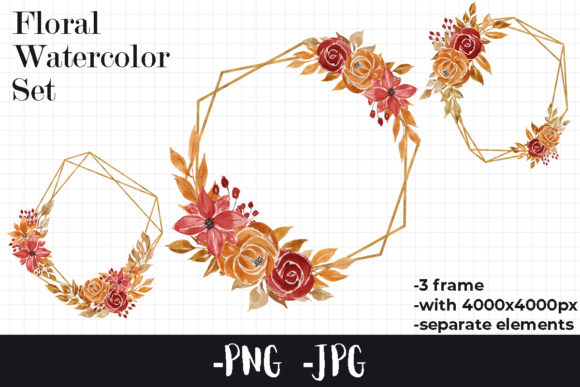
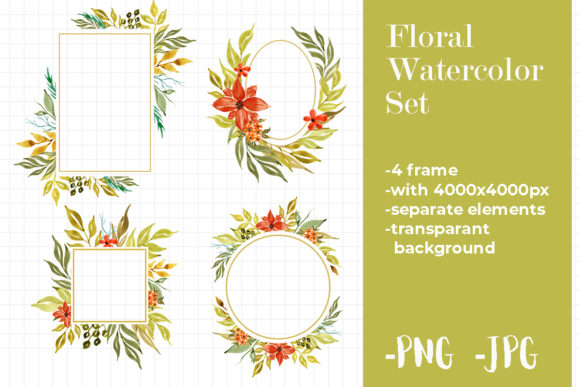
When I first opened the preview of the Watercolor Autumnal Floral Fall Frame, the immediate draw was the color palette. It captures that specific blend of burnt orange, deep burgundy, and muted gold that defines autumn. However, in the world of embroidery project planning, pretty colors are only half the battle. The real test lies in the structure. Watercolor effects are notoriously difficult to replicate with thread because they rely on transparency and bleeding edges, whereas embroidery relies on solid coverage.
This design manages the transition from digital art to digital embroidery file surprisingly well. The artist has likely used varying stitch densities to mimic the wash of paint rather than relying on heavy, blocky fills. For a small shop product or a high-end handmade product, this nuance is everything. If the stitch count is too low, the frame will look pixelated and cheap. If it is too high, it will pucker thin fabrics. My initial assessment suggests a moderate density, which is promising for versatility, but it demands careful testing.
A Real-World Application: The Custom Tote Bag Scenario
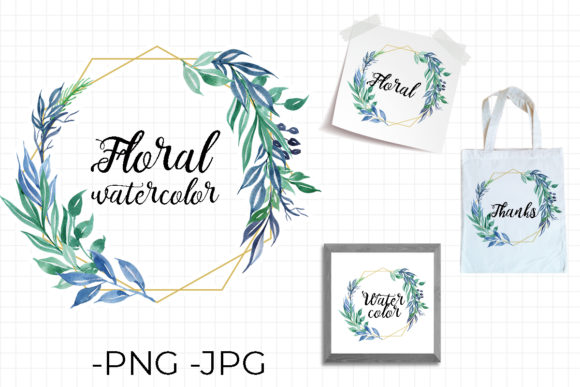
To truly evaluate this asset, I am visualizing a specific use case: a premium canvas tote bag for an upcoming fall craft fair. Imagine a natural, unbleached cotton tote. The texture of the canvas is slightly rough, which can sometimes swallow fine details. I see the Watercolor Autumnal Floral Fall Frame centered on the front, perhaps framing a monogram or a simple seasonal phrase.
In this scenario, the organic shape of the floral elements works beautifully against the structured weave of the canvas. Unlike rigid geometric frames, this design softens the overall look of the custom apparel. Customers browsing at a craft fair often gravitate toward items that feel personal and artistic. A tote bag featuring this frame would stand out against competitors using standard clip-art borders. It signals quality. It suggests that the maker cares about the aesthetic flow of the finished product.
However, there is a catch. The outer edges of a watercolor style are often jagged or fading. On a thick canvas, these "faded" edges might appear as loose threads if the stabilizer isn't perfect. As an Etsy seller, I know that one loose thread can ruin the perception of a handmade item. This means I cannot simply hoop and stitch. I must treat this embroidery file with the respect it deserves.
Navigating Fabric Challenges and Hoop Sizes
While the tote bag is a great candidate, the Watercolor Autumnal Floral Fall Frame requires caution on other materials. I would be hesitant to use this on very stretchy fabrics like jersey knit for a sweatshirt without significant reinforcement. The intricate curves of the floral leaves could distort if the fabric shifts during stitching. Similarly, on dark fabrics, the lighter tones of the watercolor effect might get lost unless I carefully select high-contrast thread colors or use a backing that lifts the design off the surface.
Hoop size is another critical factor. Although the description implies a frame, the actual dimensions of the design are unknown until I check the file properties. If the design is large, it might overwhelm a small patch or a baby onesie. Conversely, if it is too small, the watercolor effect may disappear entirely, looking like a smudge rather than an intentional artistic choice. Always confirm the maximum width and height before committing to a commercial embroidery run.
Practical Designer Notes for Success
- Test on Scrap Fabric First: Never skip this step. Stitch the design on a piece of the exact fabric you intend to use. Check for puckering, especially in the dense floral areas.
- Stabilizer Selection: Because this design mimics a fluid painting, it likely uses a mix of fill stitch and satin stitch. Use a cut-away stabilizer for knits or a heavy tear-away for wovens to ensure the frame holds its shape.
- Thread Color Contrast: On light fabrics, the darker autumn tones will pop. On dark fabrics, consider using a white underlay or adjusting the thread shades to maintain the watercolor illusion.
- Check Small Details: Zoom in on the digital preview. Are there tiny petals or thin stems? These are prone to breaking during stitching. You may need to edit the embroidery file to thicken these lines slightly.
- Licensing Verification: Before selling any personalized gift or small shop merchandise featuring this design, verify the license terms. Ensure you are permitted to sell finished goods and whether you can resell the digital product itself.
Impact on Brand Value and Customer Trust
For creative entrepreneurs, every stitch contributes to brand identity. Using a unique design like the Watercolor Autumnal Floral Fall Frame elevates your offerings above mass-produced alternatives. It shows attention to detail and a commitment to seasonal relevance. When a customer receives a holiday gift or a boutique branding item with this level of design integrity, their trust in your craftsmanship increases.
Furthermore, this type of design is highly shareable. In the age of social media marketing, a photo of a beautifully embroidered pillow cover or apron featuring this frame can drive significant engagement. The visual appeal translates directly into buyer interest. It makes the handmade presentation feel curated and professional.
Final Verdict for Crafters and Makers
The Watercolor Autumnal Floral Fall Frame is a strong contender for anyone looking to add a touch of artistic flair to their fall collection. It is particularly well-suited for tote bag design, pillow covers, and decorative home goods where the fabric is stable enough to support the detailed stitching. While it requires a bit more preparation regarding stabilizers and fabric choice than a simple logo, the payoff in visual impact is worth the effort.
For the craft business owner or the hobbyist upgrading their skills, this design offers a bridge between digital art and tactile creation. Just remember to do your due diligence: check the file specs, test your stitches, and respect the licensing. If you do, this frame will become a staple in your Crafts inventory, delivering beautiful results that customers will love to hold and display.