Watercolor Flower Pattern: A Designer's Review
As someone who has spent years navigating the delicate balance between digital artistry and physical stitching, I approach every new machine embroidery design with a critical eye. The market is flooded with generic floral motifs, but finding a piece that translates well from screen to fabric requires careful scrutiny. Today, I am evaluating the Watercolor Flower Pattern. This isn't just about whether the file loads correctly; it is about how this specific aesthetic holds up when turned into a tangible finished product for clients or your own boutique.
The First Impression: Mood and Visual Personality
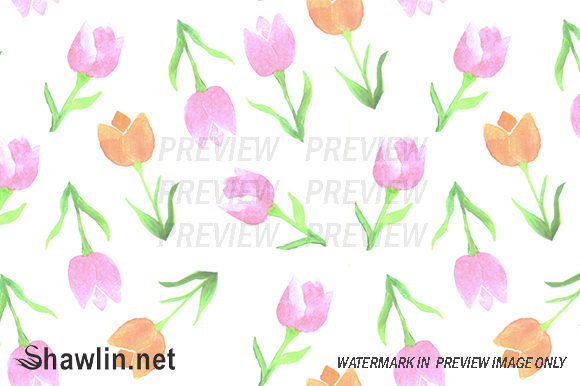
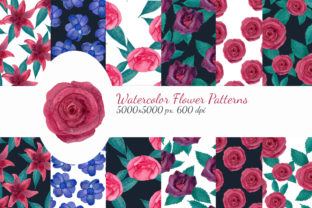
When I first opened the preview of the Watercolor Flower Pattern, the immediate feeling was one of softness and organic flow. Unlike rigid, geometric botanicals, this design captures the bleeding edges and translucent layers typical of watercolor painting. For an embroidery project, this presents both an opportunity and a challenge. The visual personality suggests romance, nostalgia, and a handcrafted touch, making it instantly appealing for audiences who value artisanal quality over mass-produced perfection.
The layout feels balanced, with petals that seem to drift naturally rather than sit stiffly on the canvas. However, as a designer, my mind immediately shifts to execution. How will the thread mimic that watery diffusion? Will the stitch density be heavy enough to cover the background without looking muddy, yet light enough to maintain that airy feel? These are the questions that determine if a pattern becomes a bestseller or a wasted download.
A Real-World Scenario: The Custom Tote Bag Project
To truly test the viability of the Watercolor Flower Pattern, let's imagine a specific use case. Picture yourself running a small shop specializing in eco-friendly accessories. You have a client requesting a custom embroidered tote bag for a wedding party favor. The goal is to create something elegant but not overly formal, fitting a garden-themed ceremony.
I visualize placing this design on a sturdy, natural cotton canvas. The soft gradients of the flower would contrast beautifully against the raw texture of the fabric. In this scenario, the tote bag design would rely heavily on the interplay between the fill stitch and the negative space. If the design uses too much solid color, it might look like a blocky applique rather than a painting. However, if the digitizer has used varying stitch angles and perhaps some running stitch details to outline the petals, the result could be stunning.
Imagine holding the finished bag. The customer runs their fingers over the stitching. Does it feel flat and plasticky, or does it have dimension? With the Watercolor Flower Pattern, the expectation is a gentle texture that mimics brush strokes. If successful, this elevates the perceived value of the handmade product significantly. It transforms a simple canvas bag into a personalized gift that feels curated and thoughtful.
Performance Across Different Applications
The versatility of this pattern extends beyond tote bags. Let's consider how it performs in other common categories for Etsy sellers and craft business owners.
- Sweatshirt Embroidery: On fleece or French terry, the soft nature of the flowers complements the cozy fabric. However, you must ensure the hoop size is large enough to capture the full bloom without distorting the shape on a curved shoulder seam.
- Baby Embroidery: For nursery decor or baby clothes, the gentle colors and rounded shapes are perfect. Just ensure the thread colors are non-toxic and the backing is safe for sensitive skin.
- Pillow Covers and Tea Towels: Home textiles benefit greatly from this aesthetic. The Watercolor Flower Pattern adds a touch of sophistication to kitchen linens or living room accents, provided the fabric doesn't pucker under the needle pressure.
- Embroidered Patches: Creating patches from this design allows for application on denim jackets or hats. The key here is managing the edge finishing to keep the "painterly" look intact.
For commercial embroidery projects, such as branding for a boutique, this pattern offers a unique identity. It stands out against the sea of corporate logos, signaling creativity and attention to detail. Whether used as a digital embroidery file for internal production or as part of a collection of design assets, its adaptability is a strong asset.
Where Caution is Required
Despite its beauty, the Watercolor Flower Pattern is not a universal solution. There are specific scenarios where this design needs careful handling or should be avoided entirely.
First, consider small hoop sizes. Watercolor effects often rely on subtle gradients and overlapping layers. Compressing this into a 4x4 inch hoop can cause the details to blur, resulting in a muddy mess rather than a clear image. Always check the recommended dimensions before committing to a small item like a cap patch.
Second, be wary of textured fabrics or highly stretchy materials. The intricate nature of the petals might get lost in the weave of a thick linen or distort on a jersey knit without the proper stabilizer. Similarly, on dark fabrics, the lighter tones of a watercolor flower may require extensive underlay stitching to prevent the background color from showing through, which can alter the intended mood.
Finally, avoid using this design for items that require frequent, harsh washing, such as gym wear. The fine details of the satin stitch or delicate fill areas may fray over time if the garment is subjected to high heat or agitation.
Practical Notes for the Professional Designer
Before you integrate the Watercolor Flower Pattern into your workflow, follow these essential steps to ensure professional results:
- Test on Scrap Fabric: Never skip the test run. Stitch the design on a scrap of the actual material you plan to use. Check for puckering, thread breakage, and color accuracy.
- Review Stitch Density: Examine the file closely. Are there areas that are too dense, which could cause the fabric to shrink? Conversely, are there gaps where the background shows through unintentionally?
- Check Thread Contrast: The magic of watercolor lies in blending. Ensure your thread colors are selected to enhance this effect rather than clash. Test black and white mockups first to see if the contrast holds up.
- Verify Licensing: As a craft business owner, always confirm the licensing terms. Can you sell the finished product? Are there restrictions on selling the digital product itself? Understanding these terms protects your brand and reputation.
- Inspect Small Details: Zoom in on the petal tips and centers. Tiny lettering or extremely fine lines often fail during stitching. If the design includes text, ensure it remains legible after the machine processes it.
Impact on Brand and Customer Trust
Ultimately, the choice of an embroidery file affects more than just the look of the item; it influences customer trust and brand consistency. When a client receives a personalized gift featuring the Watercolor Flower Pattern, they are judging the quality of your work based on the clarity and finish of the stitching.
A well-executed design enhances the product value. It signals that you care about the nuances of your craft. In contrast, a poorly adapted pattern can make even the most expensive fabric look cheap. For small shop merchandise, consistency is key. If you use this pattern across various items—tote bags, aprons, pillow covers—it creates a cohesive visual identity that customers recognize and appreciate.
The Watercolor Flower Pattern has the potential to be a cornerstone of your creative portfolio. It bridges the gap between traditional art and modern textile decoration. By understanding its strengths, limitations, and ideal applications, you can leverage this Patterns category asset to create memorable, high-quality goods that resonate with buyers looking for something special.
Whether you are preparing for the holiday season, launching a new line of custom apparel, or simply crafting a heartfelt gift, take the time to evaluate how this design fits your specific needs. With the right preparation and attention to detail, the Watercolor Flower Pattern can bring a splash of artistic elegance to your next embroidery project.