Watercolor Whale Patterns: A Practical Review for Digital Sellers
First Impressions: Soft, Playful, and Ocean-Inspired
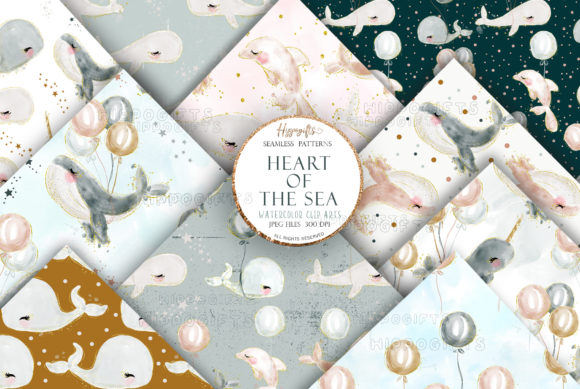
When I first opened the Watercolor Whale Patterns pack, I was struck by the soft, flowing textures and gentle color palette. These whale illustrations feel like they were painted with a light touch—airy watercolor washes, subtle gradients, and organic brushstrokes. The overall mood is whimsical and gentle, leaning toward a feminine, child-friendly aesthetic. If you sell in niches like baby showers, coastal decor, or nature-inspired prints, this graphic design asset could be a great fit.
It reminded me of Etsy shops that specialize in nursery art, baby apparel, or ocean-themed stationery. The whales aren’t overly stylized or cartoonish—they feel handmade and authentic, which is a big plus for creative entrepreneurs looking to build trust with customers.
Real-World Product Ideas for Watercolor Whale Patterns
Let’s get into how this digital product can translate into actual sellable items. Here are the top product types I’d test before launching a new Etsy or print-on-demand collection:
- Printable wall art – These patterns can be used as standalone prints or layered into gallery wall sets.
- Planner stickers and greeting cards – Especially if you’re creating seasonal or ocean-themed stationery bundles.
- T-shirt and tote bag prints – The soft watercolor style works well for apparel, especially kids' clothing or beachwear.
- SVG and PNG clipart – Great for Cricut users making DIY decor or scrapbooking kits.
- Canva templates – Designers creating ocean-themed social media kits or blog graphics can integrate these whales easily.
- Mug and tumbler wraps – The flowing patterns can be adapted for circular product mockups.
- Digital paper packs – Use these patterns as background textures for digital scrapbooking or digital planners.
How Watercolor Whale Patterns Boost Product Presentation
One of the biggest challenges in digital product creation is standing out in crowded marketplaces. This is where Watercolor Whale Patterns can help. Its soft textures and gentle curves create a sense of warmth and approachability, which is great for visual storytelling.
For example, if you’re launching a summer-themed digital download shop or a coastal nursery decor collection, these whale patterns can tie your product mockups together. They also work well as thumbnail images on Etsy or Creative Fabrica—where the first impression can make or break a sale.
I’d recommend using them in themed bundles. Pair these patterns with seashells, coral, or ocean waves to build a cohesive brand identity. That kind of visual consistency helps build customer trust and increases perceived value.
Where These Patterns Shine
Here’s where Watercolor Whale Patterns really stands out:
- Product mockups – Especially large-format previews for Canva templates or digital planners.
- Themed design bundles – Perfect for seasonal or niche collections like baby showers or ocean-themed crafts.
- Decorative layouts – Use in blog graphics, social media posts, or packaging design for a soft, artistic touch.
- Printable products – From nursery prints to planner stickers, these whale illustrations are versatile enough to work across formats.
- Cricut and Silhouette projects – As long as the design is used as a background or accent, not for intricate cutting.
Where to Use with Caution
Like any design asset, Watercolor Whale Patterns has its limitations. Here’s where you’ll want to be careful:
- Very small sticker details – The soft watercolor edges can get lost at tiny sizes.
- Complex layered designs – These patterns may clash with too many other elements in one layout.
- Low-resolution print products – Make sure to test print quality before listing.
- Crowded thumbnails – The softness may not stand out in small, busy Etsy previews.
- Dark backgrounds – Some of the lighter watercolor strokes may not show well without contrast.
- Text-heavy templates – These patterns work best when paired with clean, minimal layouts.
Practical Seller Notes Before Launching
Before publishing any product using Watercolor Whale Patterns, I always run through a checklist to avoid issues down the line:
- Test on real mockups – See how the patterns look on t-shirts, mugs, and digital planner previews.
- Preview as a marketplace thumbnail – Zoom out to see how it appears in a small Etsy or Creative Fabrica listing.
- Check on white and dark backgrounds – Confirm visibility and contrast in different settings.
- Test print colors – Some watercolor textures can shift in print, especially with home printers.
- Verify PNG transparency – Especially important if you’re layering these whales into Canva or Photoshop templates.
- Inspect SVG cut quality – If you’re selling clipart for Cricut or Silhouette, make sure the paths are clean.
- Confirm file resolution – Look for 300 DPI or higher for print use.
- Organize files clearly – Buyers appreciate clean folder structures and clear file names.
- Pair with the right fonts – Try combining with script fonts for a whimsical look or sans-serif fonts for modern balance.
- Confirm commercial licensing – Always double-check the license terms before selling finished products.
Final Thoughts: Is Watercolor Whale Patterns Worth It?
Yes, but with a few caveats. If your niche is nature, ocean themes, baby items, or playful stationery, Watercolor Whale Patterns is a strong addition to your design assets. It brings a soft, artistic touch that’s hard to replicate with vector illustrations.
However, it’s not a one-size-fits-all solution. It works best in the right context—think themed bundles, digital downloads, and soft lifestyle branding. If you’re selling minimalist tech stickers or bold modern apparel, this asset might not be the best fit.
As always, test before you list. Use it in a few mockups, check how it performs in thumbnails, and see how customers respond. That’s the real way to know if a graphic design asset like Watercolor Whale Patterns is going to help your small business thrive.